
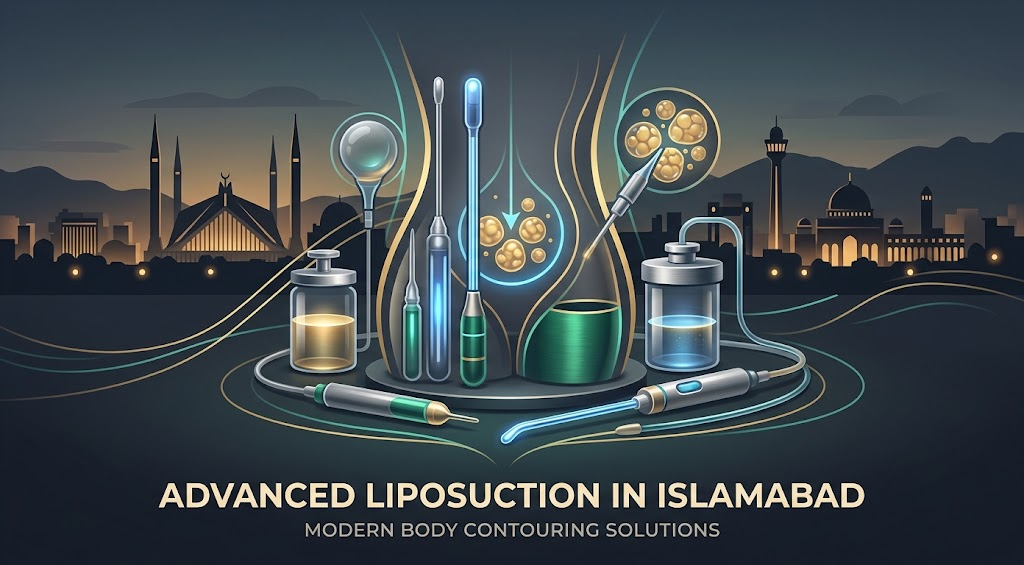
Liposuction is a popular cosmetic procedure designed to remove stubborn pockets of fat that do not respond easily to diet and exercise. For people considering Liposuction in Islamabad, understanding the procedure, candidacy, recovery, risks, and expected results is essential before making a decision. The treatment can improve body contours, but it is not a weight loss solution and should be approached with realistic expectations.
What Is Liposuction?
Liposuction is a surgical body contouring technique that removes localized fat deposits from selected areas. During treatment, a surgeon usually makes small incisions and uses a thin cannula to loosen and suction excess fat. Depending on the patient’s needs, different techniques may be considered, including traditional suction-assisted liposuction, power-assisted methods, or energy-assisted approaches.
The goal of Liposuction in Islamabad is generally to create smoother and more balanced body proportions. Common treatment areas include the abdomen, waist, hips, thighs, arms, back, and under the chin. The exact method depends on the amount and location of fat, skin quality, medical history, and the surgeon’s assessment.
Who Is a Good Candidate?
A suitable candidate is usually a healthy adult who has stable body weight and realistic expectations about what surgery can achieve. Liposuction works best for people with localized fat deposits rather than significant overall obesity. Good skin elasticity can also help the treated area adapt to its new contour after fat removal.
Before Liposuction in Islamabad, patients should disclose medical conditions, previous surgeries, allergies, medications, and supplements to their surgeon. A consultation may include a physical examination, discussion of goals, photographs, and, when appropriate, laboratory tests or other medical evaluations. Smoking and certain medications may need to be addressed before surgery.
Areas Commonly Treated
The abdomen and flanks are among the most frequently treated areas because excess fat around the waist can affect overall body proportions. Liposuction may also be used on the thighs, hips, upper arms, back, and beneath the chin. Treatment can be performed on one area or several areas, depending on safety considerations and the surgical plan.
For patients seeking this treatment, an individualized plan is important. Body shape differs from person to person, so removing too much fat can produce an unnatural appearance. A qualified surgeon should focus on proportion, symmetry, and smooth transitions rather than simply removing the largest possible amount.
How the Procedure Works
The process begins with a consultation and treatment plan. On the day of surgery, anesthesia is provided according to the procedure and medical assessment. Small incisions are made near the treatment area, and a sterile fluid may be introduced to reduce bleeding and make fat removal easier. The surgeon then carefully moves the cannula through the fatty layer to remove targeted deposits.
Modern Liposuction in Islamabad can involve techniques selected according to the patient’s anatomy and desired outcome. The procedure may take several hours, depending on the number and size of areas treated. Once the planned contour has been achieved, the incisions are managed according to the surgeon’s technique, and compression garments may be recommended.
Recovery and Aftercare
Recovery varies between individuals. Swelling, bruising, tenderness, and temporary numbness are common during the early period. Patients are generally encouraged to walk gently soon after surgery when their medical team considers it safe, because light movement can support circulation. Strenuous exercise and heavy lifting should usually wait until the surgeon gives clearance.
After Liposuction in Islamabad, wearing a compression garment may help control swelling and support the treated tissues. Follow-up appointments allow the surgeon to monitor healing and address concerns. Although some changes may appear soon after surgery, final contours can take weeks or months to become clearer as swelling gradually decreases.
Expected Results
Liposuction can create a more defined silhouette by reducing localized fat cells. The removed fat cells do not normally return in the same form, but remaining fat cells can enlarge if a person gains substantial weight. Maintaining a stable weight through balanced nutrition and regular physical activity is therefore important for preserving results.
Patients considering Liposuction in Islamabad should understand that outcomes are influenced by skin elasticity, anatomy, age, lifestyle, and healing. The procedure cannot guarantee a perfectly flat abdomen, eliminate cellulite, or replace healthy weight management. A consultation is the best way to determine what improvement is realistically achievable.
Risks and Safety Considerations
Like any surgical procedure, liposuction carries potential risks. These may include infection, bleeding, fluid accumulation, temporary or persistent changes in sensation, contour irregularities, scarring, and reactions to anesthesia. Larger or multiple treatment areas can involve additional considerations, making proper patient selection and surgical planning especially important.
Choosing a qualified, experienced plastic surgeon and an appropriately equipped surgical facility is a key part of Liposuction in Islamabad. Patients should ask about the surgeon’s credentials, experience with the procedure, anesthesia arrangements, emergency protocols, expected recovery, and follow-up care. They should also understand all costs rather than choosing a provider solely because of a low advertised price.
Cost Factors to Consider
The cost of liposuction varies because every treatment plan is different. Factors can include the number of areas treated, surgical technique, anesthesia, facility fees, surgeon experience, preoperative testing, compression garments, and follow-up appointments. The amount of fat to be removed and the complexity of contouring can also influence the total expense.
When comparing Liposuction in Islamabad, patients should look beyond the initial quotation. A detailed consultation should clarify what the package includes and whether additional charges may apply. A transparent provider should explain the procedure, possible risks, recovery requirements, and follow-up schedule before surgery rather than making unrealistic promises about results.
Choosing the Right Clinic
Selecting a clinic requires careful research. Look for appropriate licensing and safety standards, qualified surgical professionals, clean facilities, and clear communication. Before scheduling Liposuction in Islamabad, ask whether the surgeon personally performs the procedure, where surgery takes place, what type of anesthesia is used, and who will be available if a problem develops after treatment.
It is also useful to review before-and-after photographs when they are available, while remembering that individual results vary. A trustworthy consultation should include honest discussion of limitations and alternatives. Patients should feel comfortable asking questions and should never feel pressured to undergo surgery immediately.
Final Thoughts
Liposuction can be an effective option for reshaping specific areas when diet and exercise have not changed stubborn fat deposits. The best outcomes depend on appropriate candidacy, careful planning, skilled surgery, and responsible aftercare. Anyone considering Liposuction in Islamabad should prioritize safety, realistic expectations, and qualified medical guidance over promotional claims.
A personal consultation can help determine whether liposuction is appropriate and what approach may suit your goals. Discuss your medical history, desired body contours, recovery expectations, and potential risks openly with a qualified surgeon. With informed decision-making and proper follow-up, body contouring can provide meaningful improvements while keeping patient safety at the center of the process.
Questions to Ask Before Surgery
A consultation is an opportunity to understand the treatment journey. Ask how much fat removal is appropriate for your body, what type of anesthesia is planned, how long you may need to rest, and when work or exercise can resume. It is reasonable to ask about possible complications, scar placement, pain control, emergency arrangements, and the clinic’s follow-up policy. You can also ask whether another treatment would better address loose skin or other concerns. Clear answers can help you compare providers responsibly and decide without pressure. Remember that a cosmetic plan should be based on your anatomy, health, priorities, and informed consent.









Leave a Reply