
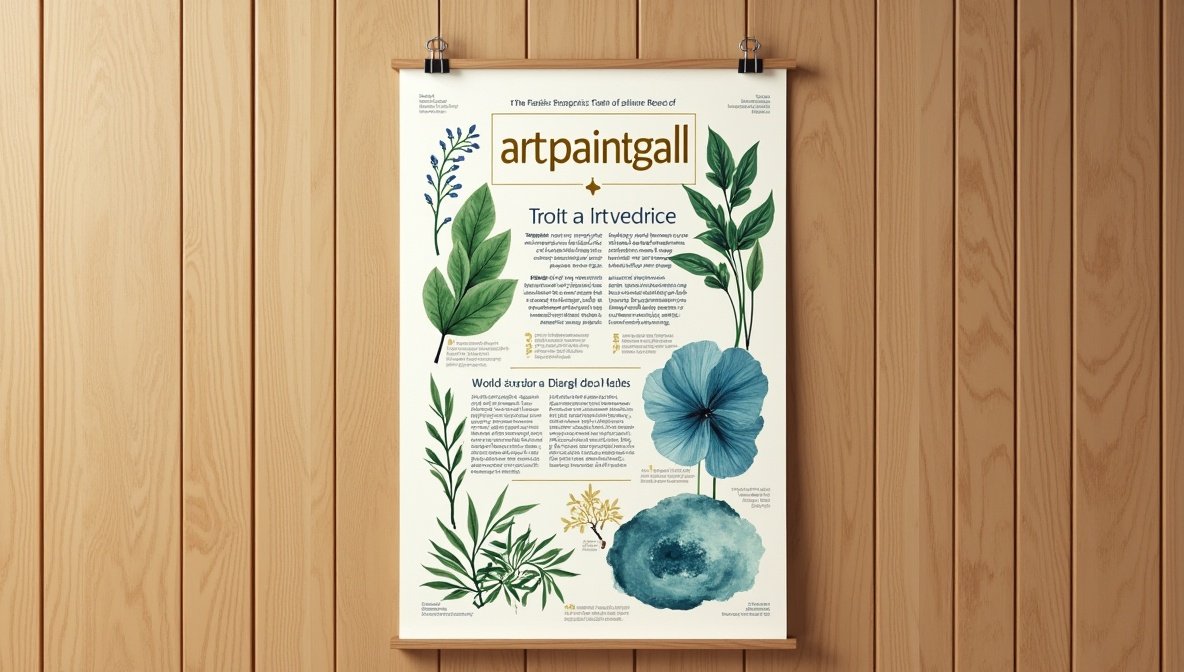
Fine art has always served as a reflection of human expression, cultural evolution, and aesthetic exploration. From classical paintings to contemporary installations, fine art encompasses a spectrum of creativity that transcends time and geography. The study and appreciation of fine art provide insights into history, philosophy, and the evolving dynamics of society. For collectors, students, and enthusiasts alike, navigating this expansive domain requires guidance and reliable resources.
Among these, fine art infoguide artypaintgall has emerged as a valuable resource, offering curated knowledge about artists, styles, movements, and market trends. By synthesizing historical context with contemporary perspectives, it equips readers with the tools necessary to engage meaningfully with fine art. Understanding the principles, techniques, and significance of artworks enhances appreciation and fosters informed decision-making for collectors and enthusiasts.
Whether you are visiting galleries, evaluating works for acquisition, or simply seeking to deepen your knowledge, resources like fine art infoguide provide a structured approach to exploring the multifaceted world of artistic creation.
The Historical Significance of Fine Art
Fine art is not merely decorative; it has historically functioned as a medium for storytelling, ideological expression, and cultural documentation. Ancient civilizations used murals, sculptures, and illuminated manuscripts to preserve knowledge and communicate societal values. Over centuries, movements such as Renaissance, Baroque, Impressionism, and Modernism introduced new techniques and philosophical approaches, each reflecting the cultural climate of its era.
The fine art infoguide artypaintgall emphasizes the importance of historical context in understanding art. By exploring the evolution of styles and techniques, viewers can interpret works with greater depth. For instance, understanding the religious and political undertones of Renaissance art enriches the appreciation of its intricacies and symbolism.
Historical awareness also aids collectors in identifying authentic works and evaluating provenance. Art is not only appreciated for aesthetic value but also for its cultural, historical, and financial significance. This multidimensional understanding enhances the engagement and decision-making process for anyone interested in fine art.
Exploring Major Art Movements
Art movements serve as milestones in the evolution of artistic expression. Each movement reflects a shift in aesthetic priorities, cultural values, or philosophical underpinnings. Impressionism, for example, emphasized capturing fleeting moments and the effects of light, while Cubism deconstructed forms to explore perspective and abstraction. website gamificationsummit method ticket sales
The fine art infoguide artypaintgall provides in-depth analyses of major movements, highlighting key artists, signature techniques, and cultural impacts. By studying these movements, enthusiasts gain insights into how societal changes influence artistic expression.
Modern and contemporary movements, including Abstract Expressionism, Pop Art, and Minimalism, showcase the continual expansion of creative boundaries. Understanding the progression from classical to contemporary art enables viewers to contextualize new works within a historical continuum, enhancing both appreciation and critical engagement.
Techniques and Mediums in Fine Art
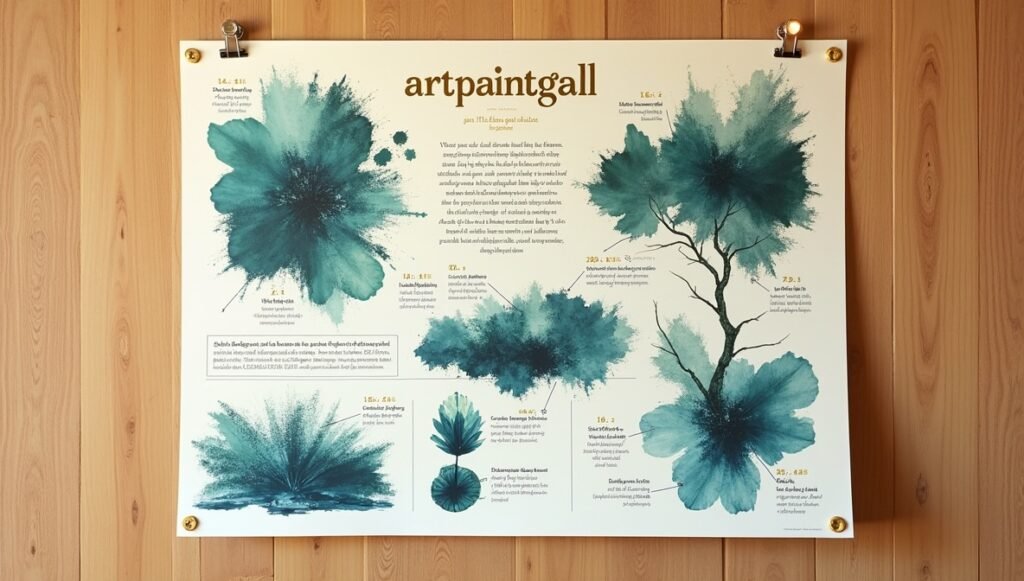
Mastery of technique and medium is fundamental to fine art. Artists choose materials and methods that align with their vision, from oil and acrylic painting to watercolor, mixed media, and digital installations. Brushwork, texture, color theory, and composition contribute to the overall impact of a piece.
Resources such as fine art infoguide artypaintgall provide practical knowledge about these techniques, explaining how artists achieve specific effects and how materials influence longevity. Understanding medium-specific challenges, such as pigment fading or canvas preparation, is essential for both collectors and students of art.
Sculpture, printmaking, and installation art also require specialized technical knowledge. Each medium presents unique opportunities for expression, demanding a nuanced understanding of material properties and craftsmanship. Recognizing the interplay between technique and artistic intention deepens appreciation for the skill and creativity involved.
The Role of Galleries and Exhibitions
Galleries and exhibitions play a pivotal role in connecting artists with audiences. They curate collections, provide context, and offer a platform for discourse. Exhibitions also shape public perception of art movements, trends, and emerging artists.
The fine art infoguide artypaintgall emphasizes the importance of understanding how galleries operate, including exhibition design, curation principles, and marketing strategies. Knowledge of these elements allows enthusiasts to engage more meaningfully with displays, whether visiting a local gallery or attending a major international exhibition.
Curatorial decisions—such as lighting, spacing, and thematic grouping—affect the viewer’s interpretation and emotional response. By analyzing these aspects, one can better appreciate how context influences the experience of fine art beyond the individual work itself.
Collecting Fine Art
Art collecting is both a personal passion and an investment strategy. Collectors consider aesthetic appeal, historical importance, and market value when acquiring works. Understanding authenticity, provenance, and condition is crucial to making informed purchases.
Fine art infoguide artypaintgall offers guidance for collectors, detailing how to evaluate works, recognize emerging artists, and assess market trends. By providing insights into auction practices, private sales, and gallery networks, the resource helps collectors navigate a complex marketplace with confidence.
Collecting also involves stewardship. Proper storage, conservation, and insurance protect the longevity and value of artworks. Knowledgeable collectors balance passion with practical considerations to ensure that their collections endure as both cultural and financial assets.
Art Criticism and Interpretation
Critical analysis is a central component of art appreciation. Interpretation involves considering symbolism, context, technique, and personal response. Art criticism encourages viewers to engage with works thoughtfully, moving beyond surface-level impressions.
The fine art infoguide artypaintgall emphasizes analytical approaches to interpretation. Readers are encouraged to examine historical references, compositional choices, and emotional resonance. By asking probing questions and exploring multiple perspectives, viewers develop a richer understanding of the artwork’s significance.
Art criticism also bridges the gap between artists and audiences. It facilitates dialogue, allowing individuals to articulate insights and share perspectives, thereby enhancing communal appreciation of fine art.
The Intersection of Art and Culture
Fine art both shapes and reflects cultural identity. Through visual narratives, artists capture social norms, political events, and collective experiences. Studying art within cultural context illuminates broader societal dynamics.
Resources such as fine art infoguide artypaintgall provide comprehensive explorations of how cultural shifts influence artistic production. By examining regional styles, iconography, and historical events, readers gain a nuanced understanding of art’s societal significance.
Art also fosters cross-cultural understanding. Exhibitions and collections expose audiences to diverse traditions and perspectives, promoting empathy and global awareness. The dialogue between culture and artistic expression enriches both creators and observers.
The Digital Transformation of Fine Art
The digital era has transformed access to fine art. Virtual galleries, online auctions, and digital archives expand reach and accessibility. Digital platforms allow emerging artists to showcase work to global audiences without physical limitations.
Fine art infoguide artypaintgall explores the impact of technology on creation, distribution, and consumption. Digital tools enable innovative techniques, from virtual installations to mixed-media experiments. At the same time, the guide advises collectors on evaluating digital provenance and authenticity.
The digital landscape also facilitates education. High-resolution images, interactive exhibits, and online lectures provide immersive experiences for students and enthusiasts. This democratization of art allows wider participation while maintaining scholarly rigor.
Preserving and Conserving Art
Preservation is essential for maintaining artistic heritage. Environmental factors such as humidity, light, and temperature can deteriorate materials over time. Conservation techniques ensure that artworks remain vibrant and structurally sound.
Fine art infoguide artypaintgall offers guidance on proper conservation practices. It addresses routine care for paintings, prints, and sculptures, as well as strategies for professional restoration. Understanding conservation helps collectors and institutions protect investments and cultural legacy.
Preventive measures, including archival framing, UV-protective glazing, and controlled storage, mitigate damage risks. Knowledgeable stewardship ensures that artworks continue to inspire future generations.
Education and Learning in Fine Art
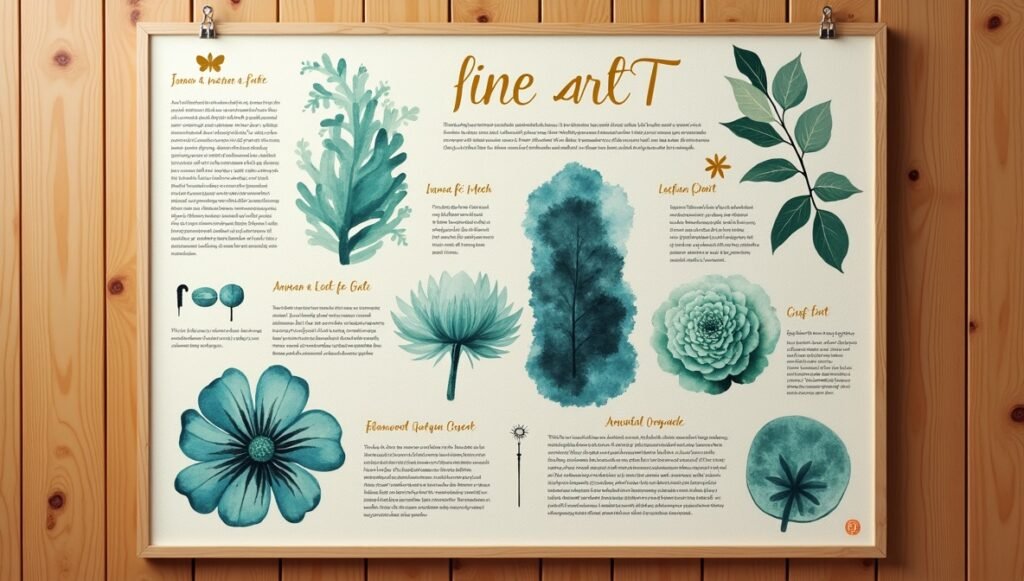
Art education cultivates critical thinking, creativity, and aesthetic literacy. Whether in formal academic programs, workshops, or self-directed study, learning about fine art enhances appreciation and practice.
Fine art infoguide artypaintgall provides resources for structured learning, including artist biographies, technique tutorials, and contextual analysis. These tools help students, educators, and enthusiasts develop informed perspectives and practical skills.
Education also fosters community engagement. Group discussions, critiques, and collaborative projects create environments where knowledge is shared and creativity is nurtured. Lifelong learning ensures that engagement with fine art remains dynamic and evolving.
The Role of Artists in Society
Artists influence thought, challenge conventions, and document human experience. Their work reflects individual perspectives while contributing to collective cultural memory.
Fine art infoguide artypaintgall highlights notable artists and their contributions to movements, social commentary, and stylistic innovation. By examining artists’ techniques, inspirations, and historical contexts, audiences gain insights into creative decision-making.
Artists’ social roles extend beyond creation. They inspire dialogue, provoke reflection, and often advocate for societal change. Understanding their impact enriches both the appreciation of their work and the broader cultural discourse.
Exhibitions, Auctions, and Market Dynamics
The art market is a complex ecosystem where galleries, collectors, and auction houses intersect. Exhibitions showcase talent, auctions facilitate sales, and market trends influence valuation.
Fine art infoguide artypaintgall provides guidance on navigating this landscape. It explains market mechanisms, pricing factors, and investment considerations. Knowledge of market dynamics allows collectors and enthusiasts to make informed decisions regarding acquisition and sale.
Market understanding also includes recognizing emerging trends, evaluating artist reputation, and assessing cultural relevance. Strategic engagement ensures that participants remain informed and proactive.
Conclusion: Engaging with Fine Art
Fine art is an evolving dialogue between creator, observer, and society. It conveys emotion, documents history, and challenges perception. Engaging with fine art requires a combination of knowledge, curiosity, and critical thinking.
Resources such as fine art infoguide artypaintgall empower audiences to navigate the intricate world of artistic expression. From historical context and technique to market dynamics and cultural significance, these tools facilitate informed exploration.
Through careful study, active observation, and thoughtful interpretation, individuals can cultivate a deeper appreciation of fine art. In doing so, they participate in a tradition that celebrates creativity, preserves cultural memory, and fosters intellectual and emotional enrichment for generations to come.









Leave a Reply