
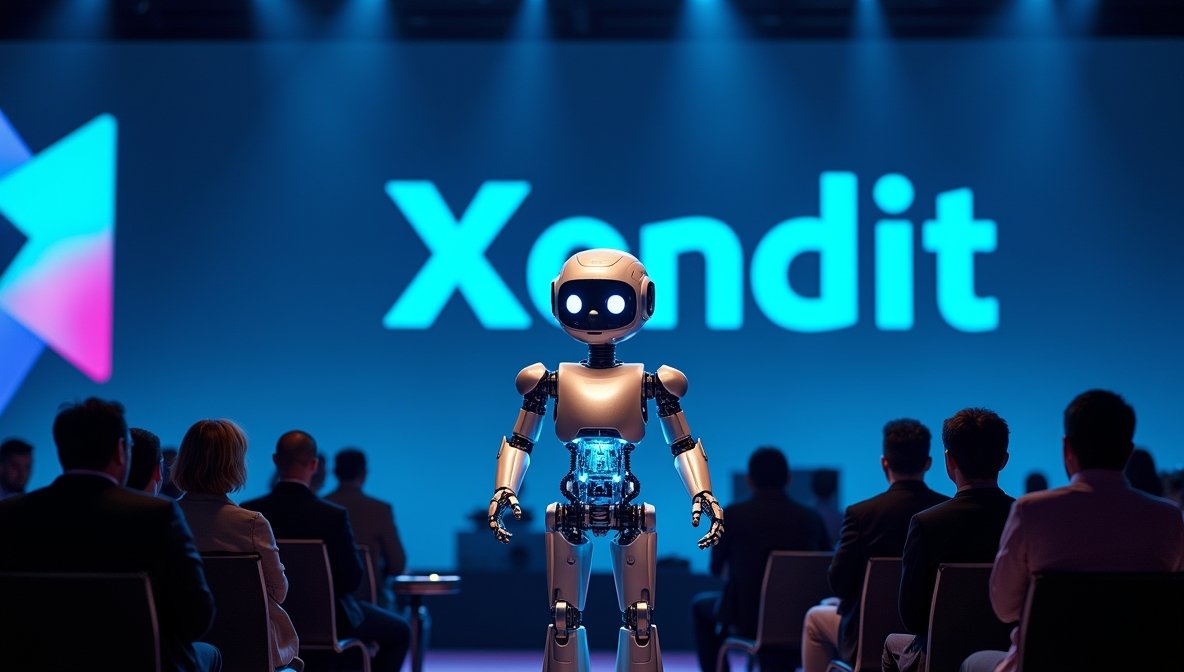
The modern workplace thrives on engagement, motivation, and innovation. Organizations constantly seek new ways to make work enjoyable, productive, and impactful. The Xendit Work GamificationSummit offers a comprehensive platform to explore innovative strategies that integrate gamification into everyday work, increasing engagement and performance. This article dives deep into the summit’s concepts, benefits, implementation methods, and real-world examples. It also provides actionable tips and insights for managers and HR professionals aiming to adopt gamification in their organizations.
Understanding Gamification in the Workplace
Gamification refers to applying game-like mechanics in non-game contexts to motivate, engage, and reward behavior. In the workplace, this approach encourages employees to achieve goals, learn new skills, and contribute actively to team success.
Key Components of Workplace Gamification
- Points and Rewards: Employees earn points for completing tasks, attending training, or achieving targets.
- Leaderboards: Transparent rankings promote friendly competition and accountability.
- Challenges and Quests: Gamified challenges turn routine tasks into interactive experiences.
These components, discussed extensively at the Xendit Work GamificationSummit, provide a framework for increasing employee engagement, boosting morale, and fostering a culture of continuous improvement. website for ticket sale gamificationsummit
Benefits of Gamified Workplaces
- Improved productivity and efficiency.
- Higher employee motivation and retention.
- Better learning outcomes during training programs.
- Enhanced collaboration and teamwork.
Gamification transforms routine workflows into engaging experiences, creating a workplace environment where employees are motivated to excel while enjoying the process.
Highlights from Xendit Work GamificationSummit
The Xendit Work GamificationSummit brings together industry experts, HR leaders, and innovative companies to share strategies, case studies, and research findings on gamified workplaces.
Expert-Led Sessions
The summit features speakers who provide practical insights on implementing gamification. Topics include:
- Designing effective reward systems.
- Creating immersive learning experiences.
- Integrating gamification with digital tools.
Interactive Workshops
Attendees participate in workshops that simulate gamified scenarios. This hands-on approach helps organizations understand the dynamics of motivation, competition, and collaboration in gamified systems.
Networking Opportunities
The summit offers opportunities to connect with peers, discuss challenges, and exchange ideas. Sharing real-world experiences allows organizations to avoid common pitfalls and adopt best practices in gamification.
Designing Gamification Strategies
Creating a successful gamification strategy requires careful planning and understanding of organizational goals.
Aligning Gamification with Business Objectives
Effective gamification is tied to measurable outcomes. Examples include:
- Increasing sales performance.
- Boosting employee engagement scores.
- Enhancing training completion rates.
Choosing the Right Gamification Mechanics
Selecting the appropriate mechanics—such as badges, points, or quests—depends on your workplace culture and objectives. The Xendit Work GamificationSummit emphasizes aligning mechanics with employee motivations for maximum impact.
Implementation Roadmap
- Assess Current Processes: Identify areas where engagement is low.
- Pilot Gamification: Start with small teams before scaling.
- Measure and Iterate: Collect feedback and refine mechanics regularly.
Integrating Technology for Gamified Workplaces
Modern gamification relies heavily on digital tools to track performance, deliver challenges, and reward achievements.
Gamification Software Platforms
Platforms can automate points, badges, and leaderboards, making the system scalable. They also provide analytics to monitor engagement trends and outcomes.
Mobile and Remote Accessibility
With more employees working remotely, gamified platforms accessible via mobile devices ensure consistent engagement and participation.
Data-Driven Decisions
Digital gamification tools generate valuable insights, allowing managers to identify trends, reward high performers, and address disengagement promptly. Such strategies were highlighted at the Xendit Work GamificationSummit to show measurable ROI.
Real-World Case Studies
The summit showcased companies that successfully implemented gamification.
Sales Teams
Gamified dashboards and point systems motivated sales teams to exceed targets while fostering healthy competition.
Learning and Development
Interactive modules and quest-based training increased completion rates and skill retention among employees.
Customer Support
Rewarding timely ticket resolution and high customer satisfaction scores led to improved service quality and employee morale.
These examples demonstrate the transformative impact of gamification on various departments and highlight the practical insights shared at the Xendit Work GamificationSummit.
Challenges and Solutions in Gamification
While gamification can greatly enhance engagement and productivity, implementing it is not without obstacles. Organizations need to carefully plan and anticipate challenges to make gamified systems effective. Missteps can lead to decreased motivation, frustration, or disengagement, so understanding potential issues and applying strategic solutions is critical.
Avoiding Over-Competition
One common challenge in gamification is creating excessive competition among employees. While healthy competition can motivate and push employees to perform better, too much rivalry may have the opposite effect. Over-competition can cause stress, reduce collaboration, and even create tension between team members.
Solutions:
- Design reward systems that balance competition with collaboration.
- Include team-based challenges alongside individual achievements.
- Recognize and reward cooperative behaviors such as knowledge sharing, peer support, and mentoring.
By combining competitive and collaborative elements, organizations ensure employees feel motivated without feeling isolated or pressured. This principle is emphasized at the Xendit Work GamificationSummit, where experts highlight the importance of creating inclusive and engaging experiences rather than purely competitive ones.
Maintaining Fairness
Perceived unfairness can significantly undermine gamification initiatives. If employees feel that rewards are biased or evaluations are inconsistent, it can lead to dissatisfaction, decreased trust, and disengagement.
Solutions:
- Maintain transparency in rules, criteria, and scoring.
- Clearly communicate how points, badges, or rewards are earned.
- Ensure consistent evaluation across all teams and departments.
Transparent systems build trust and credibility, making employees more likely to participate actively in gamified programs. Fairness is a fundamental principle in sustaining long-term engagement in workplace gamification.
Preventing Fatigue
Another challenge is fatigue or boredom from gamification. Continuous gamification without variation may make employees feel over-saturated or less motivated over time. For example, completing the same type of challenges repeatedly can become monotonous and may lead to disengagement.
Solutions:
- Rotate challenges regularly to introduce new objectives and tasks.
- Update rewards and recognition systems to keep them exciting and meaningful.
- Introduce surprise bonuses, seasonal events, or limited-time quests to maintain enthusiasm.
By refreshing the gamified experience frequently, organizations keep engagement levels high and prevent employees from becoming disengaged or indifferent.
Measuring Success in Gamified Workplaces
Evaluating the effectiveness of gamification ensures that initiatives achieve their intended objectives. Without proper measurement, organizations cannot determine if their gamification strategies are driving productivity, motivation, or learning outcomes.
Key Performance Indicators (KPIs)
To assess success, organizations should track clear, relevant KPIs, including:
- Task completion rates to measure productivity improvements.
- Training participation and completion rates for learning programs.
- Sales performance and revenue impact if gamification targets business outcomes.
- Employee satisfaction and engagement scores to assess overall morale.
KPIs provide objective data to determine whether gamification initiatives are meeting business goals and adding value to employees’ experience.
Feedback Loops
Feedback is essential for continuous improvement. Regular surveys, focus groups, and feedback sessions allow employees to express their experiences with gamified systems. Listening to employee feedback helps identify areas of frustration, confusion, or disengagement.
Organizations can then make informed adjustments, improving mechanics, rewards, or communication to better align with employee preferences and workplace culture. This ongoing loop ensures that gamification remains effective, relevant, and enjoyable.
Iterative Optimization
Gamification is not static; it requires continuous monitoring and refinement. Organizations should:
- Track engagement data and performance metrics over time.
- Adjust point systems, challenges, or reward structures based on insights.
- Introduce new mechanics or rotate challenges to sustain participation.
Iterative optimization ensures that gamified systems evolve alongside employee needs and organizational goals. The Xendit Work GamificationSummit emphasizes that successful gamification is dynamic and responsive rather than fixed or rigid.
Future Trends in Workplace Gamification
Gamification continues to evolve, and the summit highlighted emerging trends shaping the future of gamified workplaces. Organizations that adopt these trends early can maintain a competitive edge in engagement and employee satisfaction.
AI-Powered Gamification
Artificial intelligence allows gamification to become personalized and adaptive. AI can analyze individual employee performance, learning styles, and behavior patterns to tailor challenges and rewards. For example:
- Offering customized tasks based on skill gaps.
- Adjusting difficulty levels dynamically to keep employees challenged but not frustrated.
- Suggesting personalized recognition or rewards based on achievement patterns.
AI ensures gamification is more effective, motivating, and aligned with individual employee needs.
Virtual Reality (VR) and Immersive Experiences
VR and immersive experiences are transforming gamified learning and training programs. Using VR, employees can engage in simulated scenarios, providing a hands-on, interactive experience that traditional training cannot replicate. Benefits include:
- Enhanced retention through experiential learning.
- Safe environments to practice complex or high-risk tasks.
- Increased engagement by making training more interactive and enjoyable.
These immersive solutions make workplace gamification more impactful and engaging.
Continuous Learning and Micro-Quests
Micro-quests and continuous learning challenges represent a shift toward smaller, more frequent gamification activities. Instead of overwhelming employees with large, infrequent challenges, micro-quests allow employees to:
- Engage in daily or weekly small tasks that contribute to larger goals.
- Build skills gradually, promoting continuous development.
- Maintain motivation without feeling burdened by excessive requirements.
This approach reflects the evolving nature of workplace gamification, where consistent engagement and skill-building are prioritized over short-term competitions.
FAQs
What is the Xendit Work GamificationSummit?
It is a platform for learning, networking, and exploring strategies to implement gamification in workplaces effectively.
How can gamification improve employee engagement?
Gamification motivates employees through rewards, challenges, and interactive experiences that make work more engaging.
Which industries benefit most from gamification?
While any organization can benefit, sales, customer support, and training-heavy departments see significant impact.
Is gamification suitable for remote teams?
Yes, digital gamification platforms enable remote employees to participate and stay engaged.
How do I measure gamification success?
Track KPIs like performance metrics, participation rates, feedback, and overall employee satisfaction.
Conclusion
The Xendit Work GamificationSummit demonstrates the potential of gamification to transform workplace culture. By integrating interactive challenges, rewards, and digital tools, organizations can increase engagement, boost productivity, and foster continuous learning. The summit provides a roadmap, practical insights, and real-world examples to guide organizations in implementing effective gamified strategies. By embracing gamification thoughtfully, companies can create workplaces that are not only productive but also motivating, enjoyable, and aligned with modern workforce expectations.
.










Leave a Reply